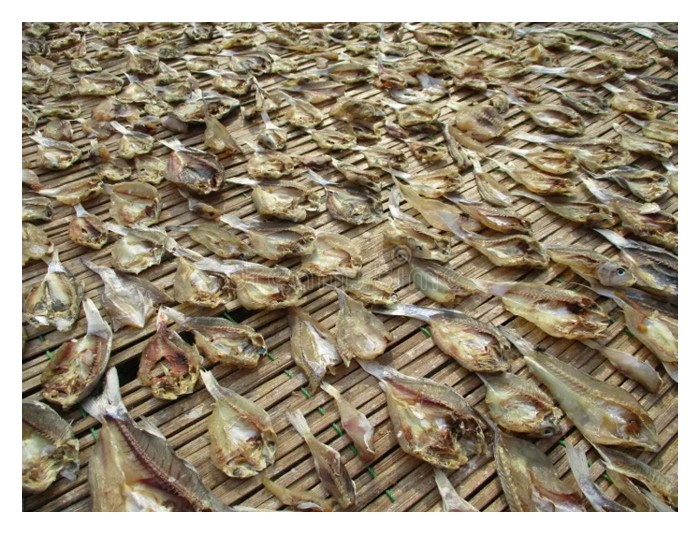
In an era dominated by cold-chain logistics, e-commerce seafood, and ready-to-cook meals, one might think the humble salty fish industry has lost its edge. Yet, beneath the rustic image of sun-dried fish and salt barrels lies a surprisingly resilient and adaptive sector that continues to generate stable profits — especially in coastal regions across Asia and Africa.
A Tradition That Still Sells
Salted fish — from Malaysia’s ikan masin and Indonesia’s ikan asin to India’s karuvadu and the Philippines’ tuyo — has been a staple for centuries. It was originally a preservation technique before refrigeration existed, but even today, demand remains steady. Why? Because salted fish isn’t just a substitute for fresh fish — it’s a flavor identity. The distinct aroma and umami punch make it an integral part of many local cuisines.
Even in urban areas, where fresh and frozen seafood are easily available, consumption hasn’t vanished. Instead, it has evolved: boutique brands are now packaging salted fish as a premium artisanal product — vacuum-sealed, low-sodium, and attractively labeled. In short, the industry has found a way to turn “old-school” into “heritage gourmet.”
Low Cost, High Margin
One of the main reasons the salty fish industry remains profitable is its simple economics. The raw material — small pelagic fish such as anchovy, mackerel, or sardine — is relatively cheap and abundant during peak seasons. Salting and drying require minimal capital investment, particularly in sun-rich tropical regions.
A small processor can start operations with basic infrastructure: drying racks, storage, salt, and packaging facilities. The gross profit margin can range between 25% to 45%, depending on raw fish prices, labor costs, and market reach. Larger processors with semi-mechanical dryers can maintain production consistency even during rainy seasons, improving turnover and quality control.
Market Dynamics and Export Opportunities
The market for salted fish is not limited to traditional wet markets. Export demand — especially from diaspora communities in the Middle East, Europe, and North America — has created a stable niche for well-packaged, quality-assured products. Countries like Thailand, Vietnam, and Sri Lanka have successfully turned small-scale operations into export-oriented businesses by meeting hygiene and packaging standards.
In Malaysia, for instance, the dried seafood sector contributes significantly to coastal rural income. The industry supports not only fishermen but also small traders, processors, and logistics providers. Digital platforms and online marketplaces like Shopee and Lazada have further boosted sales of local brands, expanding consumer reach beyond traditional boundaries.
Challenges and the Way Forward
Of course, the salty fish industry faces its share of challenges — climate variability affecting sun-drying, stricter food safety regulations, and competition from frozen seafood products. However, innovation offers a way forward. Solar-assisted dryers, hygienic packaging, and controlled-sodium recipes are transforming traditional operations into modern agro-based enterprises.
In today’s sustainability-conscious market, “nothing goes to waste” models — where trimmings are processed into fish meal or fertilizer — are also gaining traction.
Conclusion
Despite modern alternatives, the salty fish industry remains relevant and profitable — provided it adapts. Its strength lies in low production costs, cultural demand, and the growing appetite for authentic, traditional flavors. For small coastal entrepreneurs, it’s not just a business — it’s a livelihood anchored in heritage and evolving with the times.
In short, as long as people crave the taste of the sea in their rice bowl, the salty fish industry will continue to thrive — just saltier, smarter, and more sustainable than before.
Source: Professional Platform
Note: For Reference Only