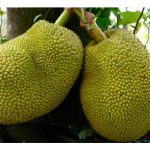

Yes, fertilizer application can influence the shape of durian fruits, though indirectly. The relationship is complex because fruit shape is determined by both genetic and physiological factors, but nutrition plays a key supporting role in how well the fruit develops and fills out.
Here’s a detailed breakdown:
1. Genetic vs. Nutritional Influence
- Genetics set the baseline: each durian cultivar (e.g. Musang King, Black Thorn, D24) has its typical fruit shape — round, oval, or heart-shaped.
- Nutrition and environmental factors determine how consistently those shapes are expressed. When nutrients are unbalanced or inconsistent, fruit may develop unevenly, leading to misshapen or lopsided fruits.
2. Nutrient Roles in Fruit Shape Development
Here’s how specific nutrients affect shape and fruit filling:
| Nutrient | Function | Effect on Fruit Shape |
| Nitrogen (N) | Supports vegetative growth and early fruit set | Excessive N can cause uneven fruit development — e.g. thick stalk end, poor tip filling, irregular spikes. |
| Phosphorus (P) | Aids in flowering and root function | Deficiency can cause smaller or deformed fruit due to weak reproductive structures. |
| Potassium (K) | Essential for sugar transport and fruit swelling | Insufficient K leads to poor fruit filling — one side fuller than the other. Balanced K promotes round, uniform fruits. |
| Calcium (Ca) | Regulates cell wall structure and fruit firmness | Deficiency can lead to distorted, rough-shelled or cracked fruits. |
| Magnesium (Mg) | Supports chlorophyll and energy transfer | Deficiency causes uneven leaf function, affecting photosynthate supply to fruit → irregular shape. |
| Boron (B) | Important for pollination, cell division, and fruit set | Low B often leads to malformed fruits and poor seed development. |
| Zinc (Zn) | Supports hormone and enzyme functions | Deficiency disturbs fruit symmetry and can cause “flat” or small lobes. |
3. Critical Stages for Fertilizer Influence
Proper fertilization during these phases is key:
- Pre-flowering (2–3 months before bloom):
Ensure balanced N:P:K and micronutrients for strong inflorescences. - Fruit set and early development:
High calcium, boron, and potassium availability supports cell division and uniform fruit expansion. - Fruit swelling stage (6–12 weeks after fruit set):
Potassium and magnesium are crucial for sugar translocation and even fruit filling — directly influencing fruit symmetry and lobe balance. - Maturation:
Maintain adequate K and micronutrients; avoid high nitrogen at this stage, which may distort shape or delay maturity.
4. Practical Fertilization Tips
- Use balanced slow-release or split applications instead of heavy single doses.
→ Keeps nutrient supply stable and supports even fruit growth. - Apply boron and calcium via foliar sprays during early fruit set.
→ Improves cell division and reduces shape irregularities. - Monitor leaf and soil nutrient levels every 4–6 months.
→ Prevents hidden deficiencies that lead to uneven fruit development. - Avoid water stress.
Uneven watering (dry → sudden rain) can also cause shape deformities even if fertilization is correct.
5. Summary
Fertilizer doesn’t change a durian’s genetic shape, but proper nutrient balance ensures the fruit develops to its ideal form — symmetrical, full-lobed, and uniform.
Poor or unbalanced fertilization, especially lack of K, Ca, or B, commonly leads to:
- Flat or lopsided fruits
- Thin lobes
- Deformed husk patterns
- Uneven maturation
Source: Professional Platform
Note: For Reference Only