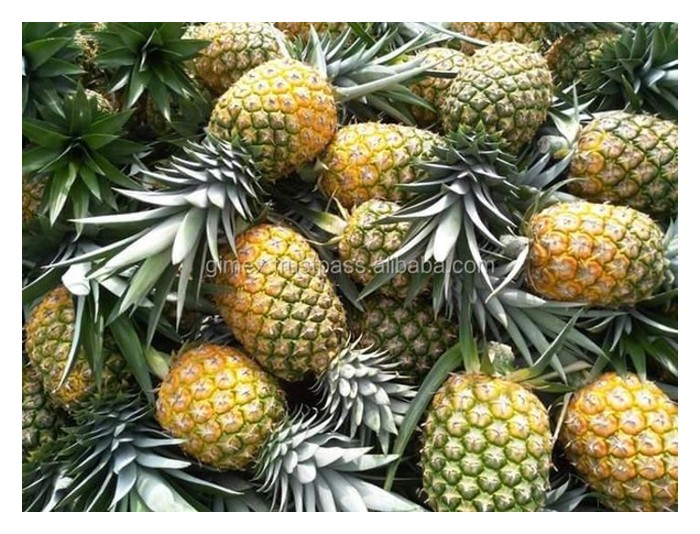
Yes — MD2 pineapple can be regarded as one of Malaysia’s most profitable crops besides durian, but the picture is more nuanced than simply saying it outranks all others. The economics of MD2 pineapple and durian differ significantly in terms of timeline, risk, capital requirements, and market dynamics.
1. A High-Value Crop: MD2’s Profitability Profile
MD2 pineapple has become one of Malaysia’s most commercially important fruit commodities after durian, largely because of its strong export potential and consistent market demand. Government data shows that both durian and MD2 pineapple remain high-value agricultural exports with significant trading opportunities abroad, especially in China and other Asian markets.
- Fast turnaround:
Unlike perennial tree crops such as durian that may take five to seven years before first harvest and significant care through that period, MD2 pineapples can be harvested within 12–14 months after planting. Some farmers even get a ratoon (second) crop with minimal additional cost. - Gross returns (indicative)
Industry sources suggest that with good farm management, a hectare of MD2 can yield 60–70 tonnes annually, translating into gross returns of about RM120,000–RM150,000 per hectare per year. Initial establishment costs for pineapple (often RM40,000–RM60,000/ha) are considerably lower than those of a durian orchard, where costs can exceed RM100,000/ha before trees bear fruit.
- Profitability studies
Pineapple production in Malaysia has been shown to be profitable with a benefit–cost ratio above 1 (e.g., ~1.7 in some smallholder studies), indicating returns exceed investment costs. - Stable pricing and demand:
MD2 pineapples command higher farm-gate and export prices than many standard varieties — often RM2–RM3.50 per kilogram or more for export grade, with further premium potential in processed or fresh-cut markets.
2. Why It’s Attractive Compared to Durian
- Shorter investment horizon and lower risk:
Pineapple’s fast crop cycle means capital is tied up for a much shorter period, which lowers financial risk and improves cash flow. Durian, conversely, requires patience and larger upfront investment, with returns delayed until trees mature. - Lower skill and labor intensity:
MD2 cultivation is less labour-intensive and technically demanding than durian grafting and orchard management. Standardized protocols and tissue-cultured planting materials allow growers to plan yields and costs more predictably. - Consistent demand:
While durian prices can swing widely depending on season, harvest volumes, and export trends, MD2 maintains more stable pricing through contract farming and steady export flows.
3. The Durian Exception: Ultra-High Returns (But With Caveats)
Durian, especially premium varieties like Musang King, continues to deliver exceptional revenue per kilogram — sometimes far above pineapple on a per-unit basis — and is often considered a long-term wealth generator due to land value appreciation and high global demand. However, the distribution of profits is uneven: mature plantations yield high margins, but entry costs, time to first harvest, and market volatility are significant barriers.
4. Conclusion: A Strong Contender
MD2 pineapple is definitely one of Malaysia’s most profitable crops outside durian, particularly for:
- Farmers and investors seeking faster ROI
- Lower-capital entrants or smallholders
- Projects prioritizing stable, predictable returns Export-oriented value chains
However, if we measure highest per-unit profit potential without factoring risk or time, premium durian still holds top status — especially at peak market conditions. MD2 doesn’t outrank durian in glamour, but it competes very strongly in real-world profitability and risk-adjusted return, making it a top choice for pragmatic agribusiness strategies. However, recent incident of “durian tsunami” has turned around its profit profile with many are now on hold to invest in this crops.
Source: Professional Platform
Note: For Reference Only