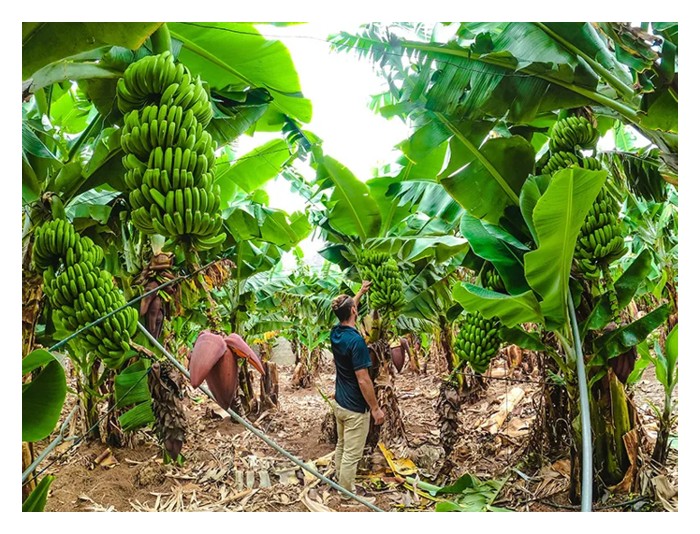
For many banana growers, especially those cultivating popular varieties like Berangan or Cavendish, the rhythm of planting and harvesting feels reassuringly predictable. A healthy stand of bananas can yield its first harvest about 8 to 10 months after planting, followed by two more flushes—or “ratoons”—from the same stool. Yet, behind this dependable cycle lies an invisible biological countdown. By the third harvest, farmers often find themselves at a crossroads: push for a fourth bunch, or start anew before trouble brews.
The Biology of Decline
Banana plants aren’t trees; they’re giant herbs that regenerate from underground corms. Each new generation—known as a sucker or ratoon—draws nutrients and energy from the mother plant’s root system. Over time, that root mass becomes a magnet for pests and pathogens. The longer it stays in the ground, the higher the risk of soil-borne diseases such as Panama disease (Fusarium oxysporum), nematode infestations, or corm rot.
“After the third harvest, the plant’s vigor usually drops sharply,” says Dr. Ahmad Salim, a tropical fruit agronomist based in Johor. “The roots get compacted, soil aeration declines, and nutrient uptake efficiency falls. Even with good fertilization, the third ratoon often produces smaller bunches and weaker stems.”
The Economics of Rotation
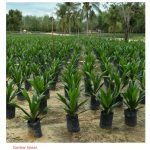
While some farmers are tempted to stretch plantations to a fourth or fifth harvest, the economics rarely justify the risk. Yield per stool often declines by 20–30% after the third cycle, while disease pressure and labor for replanting or disease management increase. Many commercial growers have learned that it’s wiser to replant fresh tissue-culture seedlings after the third harvest, restoring soil structure and resetting the disease clock.
“Think of bananas like sugarcane,” explains Dr. Ahmad. “You can keep ratooning, but sooner or later, you pay the price in yield and disease.” He recommends a 3-harvest rotation system: plant, first ratoon, second ratoon, then plow under the field, solarize or rotate with legumes for 3–4 months, and replant. This cycle maintains long-term productivity and minimizes Fusarium buildup.
Sustainability Through Smart Management
Some innovative growers are integrating soil-restoring crops—such as sunn hemp or mung beans—between banana cycles. These green manures help rebuild soil nitrogen, break pest cycles, and improve organic matter. Others use biological controls, compost teas, or Trichoderma-based soil treatments to suppress disease during ratoon periods.
Precision nutrition also plays a role. Applying potassium and calcium during the second and third ratoons strengthens plant tissues, while consistent mulching helps regulate soil moisture and temperature.
The Bottom Line
In tropical banana farming, “three rounds and done” isn’t a rule—it’s a proven guideline. It strikes a balance between profitability and plant health. Farmers who replant after the third harvest enjoy stronger yields, cleaner soils, and lower disease pressure in the long run.
As banana markets demand consistency and quality, smart rotation becomes not just good agronomy—but good business. After all, in banana farming, knowing when to stop can be just as important as knowing when to start.
Source: Professional Platform
Note: For Reference Only