For many estate owners and smallholders today, the question feels almost cruelly timed: with CPO prices sitting high, is this really the moment to cut down old palms and replant? On the surface, keeping the old trees seems like the safer choice. Cash is flowing. Mills are buying. Every fresh fruit bunch harvested today turns immediately into income. Why stop the tap?
But this is where short-term comfort quietly collides with long-term reality.
Most old palms — those beyond 25 or 30 years — are no longer producing at their biological potential. Their trunks are tall, harvesting is inefficient, fertiliser response is weak, and diseases like Ganoderma creep in silently. Yield falls gradually every year, often so slowly that it feels normal. Many estates convince themselves they are still “doing okay,” when in truth they are running at barely a third of what modern planting material can deliver.
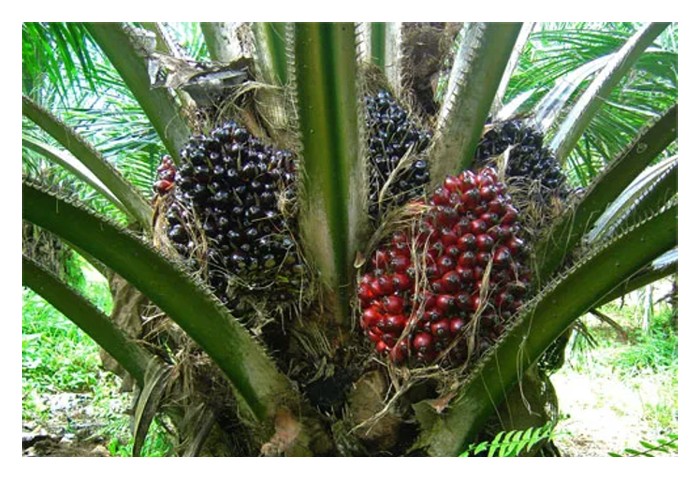
Modern Tenera (DxP) palms are a different machine altogether. At peak age, they do not merely improve yields — they multiply output per hectare. Where an old stand may struggle to produce 2.5 to 3 tonnes of CPO per hectare annually, a prime modern DxP block can push 6 to 8 tonnes under good management. That is not an incremental improvement. That is a structural shift in earning power.
At today’s CPO prices, the financial contrast becomes stark. An old block may still generate a modest profit — enough to pay workers, fertiliser, and leave something for the owner. But a modern replanted block, once it reaches maturity, does not just survive—it compounds wealth. The net income per hectare can easily be three to four times higher than what old palms deliver, year after year.
Of course, the pain is real at the beginning. Replanting demands sacrifice. For three years, sometimes four, the land produces no fruit. Cash flow disappears while costs continue. Clearing, seedlings, land preparation, and immature upkeep all accumulate into a significant upfront investment. This is the true psychological barrier—not profitability, but survival during the quiet years.
Yet this is where the high CPO price environment creates a strategic paradox.
When prices are low, growers lack capital and fear replanting. When prices are high, they fear losing today’s income. So replanting is postponed again and again. But history shows that those who dare to replant during price booms are the very ones who benefit most during the next cycle. By the time the wider industry faces supply tightness again, their palms are already at peak productivity — young, vigorous, disease-clean, and harvesting into another high-price window with the lowest cost per tonne in the market.
In financial terms, once modern DxP palms enter full production, the entire replanting cost can often be recovered within just one to two good years of harvesting. Even after accounting for the three years of lost income, the total recovery period typically sits around five to six years. For a crop with a productive lifespan of more than 20 years, that is an extraordinarily fast payback.
So why do some still choose to hold on to old palms?
Sometimes the reasons are valid. Some landowners face uncertain lease tenure. Others have no access to financing. Some blocks are heavily infected with Ganoderma and require careful sanitation before replanting can even begin. And for very smallholders living month to month, stopping income even temporarily can feel impossible.
But where these constraints do not apply, the decision becomes less emotional and more economic.
Maintaining old palms during a high-price cycle feels safe — but financially, it is often the most expensive choice of all. It locks the land into low biological productivity while the market is rewarding volume more than ever. The grower earns, yes—but far below what the same hectare could truly generate.
In the end, this is what replanting with modern DxP really represents. It is not just about replacing trees. It is about resetting the earning capacity of the land for the next 20 to 25 years. High prices today may tempt growers to delay. But strategically, they also provide the very capital needed to fund the transition into a far more profitable future.
Source: Professional Platform
Note: For Reference Only